

NEWS
NEWS
The the People's Republic of China Constitution (full text)
2024-05-14
author:
Page view:
The the People's Republic of China Constitution (full text)
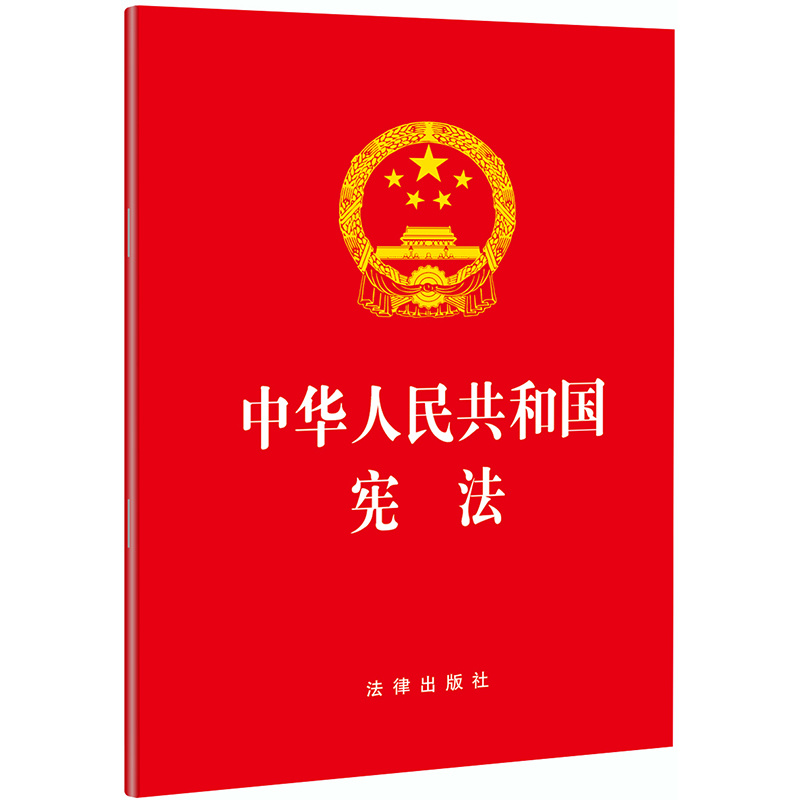
map source network
the People's Republic of China Constitution
(Adopted at the Fifth Session of the Fifth National People's Congress on December 4, 1982 Proclamation of the National People's Congress on December 4, 1982 Promulgating for Implementation According to the Amendment to the the People's Republic of China Constitution Adopted at the First Session of the Seventh National People's Congress on April 12, 1988 The Amendment to the the People's Republic of China Constitution Adopted at the First Session of the Eighth National People's Congress on March 29, 1993 The Amendment to the the People's Republic of China Constitution Adopted at the Second Session of the Ninth National People's Congress on March 14, 2004 amendment to the the People's Republic of China Constitution adopted at the meeting and amendment to the the People's Republic of China Constitution adopted at the first session of the 13th National People's Congress on March 11, 2018)
Directory
Preamble
Chapter I General Outline
Chapter II Basic Rights and Duties of Citizens
Chapter III State Institutions
Section 1 National People's Congress
Section 2 Chairman of the the People's Republic of China
Section 3 The State Council
Section 4 Central Military Commission
Section 5 Local People's Congresses and Local People's Governments at Various Levels
Section 6 Organs of Self-Government of National Autonomous Areas
Section 7 Supervisory Committee
Section 8 People's Courts and People's Procuratorates
Chapter IV The National Flag, the National Anthem, the National Emblem and the Capital
China is one of the countries with the longest history in the world. The people of all ethnic groups in China have jointly created a glorious culture with a glorious revolutionary tradition.
After 1840, feudal China gradually became a semi-colonial and semi-feudal country. The Chinese people have waged a heroic struggle for national independence, national liberation and democracy and freedom.
In the 20th century, great historical changes have taken place in China.
The 1911 Revolution led by Dr. Sun Yat-sen abolished the feudal monarchy and founded the Republic of China. However, the historical task of the Chinese people in opposing imperialism and feudalism has not yet been accomplished.
In 1949, the Communist Party of China, led by Chairman Mao Zedong, led the people of all ethnic groups in China. After a long and difficult armed struggle and other forms of struggle, it finally overthrew the rule of imperialism, feudalism and bureaucratic capitalism, won the great victory of the new democratic revolution and established the the People's Republic of China. Since then, the Chinese people have mastered the power of the country and become the masters of the country.
After the founding of the the People's Republic of China, our society gradually realized the transition from new democracy to socialism. The socialist transformation of private ownership of the means of production has been completed, the system of exploitation of man by man has been eliminated, and the socialist system has been established. The people's democratic dictatorship led by the working class and based on the alliance of workers and peasants, which is essentially the dictatorship of the proletariat, has been consolidated and developed. The Chinese people and the Chinese People's Liberation Army have defeated imperialist and hegemonist aggression, sabotage and armed provocations, safeguarded the country's independence and security, and strengthened national defense. Significant achievements have been made in economic construction, an independent and relatively complete socialist industrial system has basically taken shape, and agricultural production has increased significantly. Education, science, culture and other undertakings have made great progress, and socialist ideological education has achieved remarkable results. The lives of the broad masses of people have improved considerably.
The victory of China's new democratic revolution and the achievements of the socialist cause were achieved by the Chinese people of all ethnic groups under the leadership of the Communist Party of China, under the guidance of Marxism-Leninism and Mao Zedong Thought, upholding the truth, correcting mistakes, and overcoming many difficulties and obstacles. Our country will be in the primary stage of socialism for a long time. The fundamental task of the state is to concentrate on socialist modernization along the road of socialism with Chinese characteristics. Under the leadership of the Communist Party of China, under the guidance of Marxism-Leninism, Mao Zedong Thought, Deng Xiaoping Theory, the important thinking of the "Three Represents", the Scientific Outlook on Development, and Xi Jinping Thought on Socialism with Chinese Characteristics for a New Era, the people of all ethnic groups in China will continue to adhere to the people's democratic dictatorship, adhere to the socialist road, adhere to reform and opening up, and continuously improve various socialist systems, self-reliance, hard work, gradually realize the modernization of industry, agriculture, national defense, and science and technology, promote the coordinated development of material civilization, political civilization, spiritual civilization, social civilization, and ecological civilization, and build my country into a prosperous, democratic, civilized, harmonious and beautiful modern socialist country, To realize the great rejuvenation of the Chinese nation.
In our country, the exploiting class has been eliminated as a class, but class struggle will continue to exist within a certain range for a long time. The Chinese people must fight against the hostile forces and elements at home and abroad that are hostile to and undermine our socialist system.
Taiwan is part of the People's Republic of China's sacred territory. It is the sacred duty of the entire Chinese people, including Taiwan compatriots, to accomplish the great cause of reunifying the motherland.
The cause of socialist construction must rely on workers, peasants and intellectuals and unite all forces that can be united. In the long-term process of revolution, construction, and reform, it has been formed under the leadership of the Communist Party of China, with the participation of various democratic parties and people's organizations, including all socialist workers, builders of the socialist cause, and patriots who support socialism A broad patriotic united front of patriots who support the reunification of the motherland and are committed to the great rejuvenation of the Chinese nation. This united front will continue to be consolidated and developed. The Chinese People's Political Consultative Conference is a widely representative united front organization. It has played an important historical role in the past. In the future, it will be in the country's political life, social life, and foreign friendship activities, in the socialist modernization drive, and in the maintenance of national unity and unity. In the struggle, it will further play its important role. The system of multi-party cooperation and political consultation under the leadership of the Communist Party of China will exist and develop for a long time.
the People's Republic of China is a unified multi-ethnic country created by the people of all nationalities. Socialist ethnic relations of equality, solidarity, mutual assistance and harmony have been established and will continue to be strengthened. In the struggle to safeguard national unity, it is necessary to oppose big nationalism, mainly big Han, and also local nationalism. The state makes every effort to promote the common prosperity of all ethnic groups in the country.
The achievements of China's revolution, construction and reform are inseparable from the support of the people of the world. The future of China is closely linked to the future of the world. China adheres to an independent foreign policy, adheres to the five principles of mutual respect for sovereignty and territorial integrity, non-aggression, non-interference in each other's internal affairs, equality and mutual benefit, and peaceful coexistence, adheres to the path of peaceful development, adheres to the strategy of mutual benefit and win-win opening up, develops diplomatic relations and economic and cultural exchanges with other countries, and promotes the building of a community with a shared future for mankind; insists on opposing imperialism, hegemonism and colonialism, strengthen unity with the people of all countries in the world, support the oppressed nations and developing countries in their just struggle for and maintain national independence and develop their national economy, and work hard to maintain world peace and promote the cause of human progress.
This Constitution, in the form of law, confirms the achievements of the struggle of the Chinese people of all ethnic groups and stipulates the fundamental system and tasks of the state. It is the fundamental law of the state and has the highest legal effect. The people of all ethnic groups, all state organs and armed forces, all political parties and social organizations, and all enterprises and institutions must take the Constitution as the fundamental criterion for their activities, and have the responsibility of safeguarding the dignity of the Constitution and ensuring its implementation.
Article 1 the People's Republic of China is a socialist country under the people's democratic dictatorship led by the working class and based on the alliance of workers and peasants.
The socialist system is the fundamental system of the People's Republic of China. The leadership of the Communist Party of China is the most essential feature of socialism with Chinese characteristics. Any organization or individual is prohibited from undermining the socialist system.
Article 2 All power in the the People's Republic of China belongs to the people.
The organs through which the people exercise state power are the National People's Congress and local people's congresses at various levels.
In accordance with the provisions of the law, the people manage state affairs, economic and cultural undertakings, and social affairs through various channels and forms.
Article 3 the People's Republic of China State institutions shall apply the principle of democratic centralism.
The National People's Congress and local people's congresses at all levels are democratically elected, accountable to the people and subject to their supervision.
State administrative organs, supervisory organs, judicial organs, and procuratorial organs are all formed by the people's congress, are responsible to it, and are subject to its supervision.
The division of functions and powers between the central and local state organs shall follow the principle of giving full play to the initiative and enthusiasm of the localities under the unified leadership of the Central Committee.
Article 4 All nationalities in the the People's Republic of China are equal. The state guarantees the legitimate rights and interests of all ethnic minorities, and maintains and develops a harmonious relationship of equality, unity, mutual assistance and harmony among all ethnic groups. Discrimination against and oppression of any nationality are prohibited, and acts that undermine the unity of the nationalities and create national division are prohibited.
The State shall, in accordance with the characteristics and needs of the various ethnic minorities, help the areas inhabited by ethnic minorities to accelerate their economic and cultural development.
Regional autonomy is practiced in areas where minority nationalities live in concentrated communities, and organs of self-government are established to exercise the power of autonomy. All ethnic autonomous areas are inseparable parts of the the People's Republic of China.
All nationalities have the freedom to use and develop their own spoken and written languages and to maintain or reform their own customs and habits.
Article 5 The the People's Republic of China shall implement the rule of law and build a socialist country ruled by law.
The state upholds the unity and dignity of the socialist legal system.
All laws, administrative regulations and local regulations shall not contravene the Constitution.
All state organs and armed forces, all political parties and social organizations, and all enterprises and institutions must abide by the Constitution and laws. All violations of the Constitution and the law must be investigated.
No organization or individual shall have the privilege to go beyond the Constitution and the law.
Article 6 The basis of the the People's Republic of China socialist economic system is socialist public ownership of the means of production, namely, ownership by the whole people and collective ownership by the working people. The socialist public ownership system eliminates the system of exploitation of man by man, and implements the principle of distribution according to work.
In the primary stage of socialism, the state adheres to the basic economic system with public ownership as the main body and the common development of multiple ownership economies, and adheres to the distribution system in which distribution according to work is the main body and multiple distribution methods coexist.
Article 7 The state-owned economy, that is, the socialist economy under ownership by the whole people, is the leading force in the national economy. The state guarantees the consolidation and development of the state-owned economy.
Article 8 Rural collective economic organizations shall implement a two-tier management system based on household contract management and a combination of unified and decentralized management. The various forms of cooperative economy in rural areas, such as production, supply and marketing, credit and consumption, are collectively owned by the socialist working masses. Workers participating in rural collective economic organizations shall have the right to operate private land, private mountains, household sideline businesses and raise private livestock within the scope prescribed by law.
The various forms of cooperative economy in the handicrafts, industry, construction, transportation, commerce, service and other industries in cities and towns are all socialist economies of collective ownership by the working masses.
The state protects the lawful rights and interests of urban and rural collective economic organizations, and encourages, guides and assists the development of the collective economy.
Article 9 Mineral deposits, water flows, forests, mountains, grasslands, wastelands, tidal flats and other natural resources shall be owned by the state, that is, by the whole people, with the exception of forests, mountains, grasslands, wastelands and tidal flats that are collectively owned by law.
The State guarantees the rational use of natural resources and the protection of precious animals and plants. Any organization or individual is prohibited from appropriating or destroying natural resources by any means.
Article 10 Land in cities shall be owned by the State.
Land in rural and suburban areas, except for those owned by the state as stipulated by law, belongs to the collective; homesteads, private plots and private hills also belong to the collective.
The State may, in the public interest, expropriate or requisition land and make compensation in accordance with the provisions of the law.
No organization or individual may appropriate, buy, sell or otherwise illegally transfer land. The right to the use of land may be transferred in accordance with the provisions of the law.
All organizations and individuals using land must use land rationally.
Article 11 The non-public sector of the economy, such as the individual economy and the private economy, within the scope prescribed by law, is an important component of the socialist market economy.
The State protects the lawful rights and interests of the non-public sector of the economy, such as the individual economy and the private economy. The State encourages, supports and guides the development of the non-public sector of the economy, and exercises supervision and control over the non-public sector of the economy in accordance with the law.
Article 12 Socialist public property is sacred and inviolable.
The state protects socialist public property. Any organization or individual is prohibited from appropriating or destroying state or collective property by any means.
Article 13 The lawful private property of citizens shall be inviolable.
The State protects citizens' rights to private property and inheritance in accordance with the provisions of the law.
The State may, in the public interest, expropriate or requisition the private property of citizens in accordance with the provisions of the law, and compensate them.
Article 14 The State shall improve the organization of labor by increasing the enthusiasm and technical level of the workers, popularizing advanced science and technology, improving the economic management system and the system of enterprise operation and management, implementing various forms of socialist responsibility, and improving the organization of labor, so as to continuously increase labor productivity and economic benefits and develop the social productive forces.
The state practiced economy and opposed waste.
The state makes rational arrangements for accumulation and consumption, taking into account the interests of the state, the collective and the individual, and gradually improves the people's material and cultural life on the basis of developing production.
The State shall establish and improve a social security system commensurate with the level of economic development.
Article 15 The State practices a socialist market economy.
The state strengthens economic legislation and improves macro-control.
The state prohibits any organization or individual from disturbing the social and economic order.
Article 16 State-owned enterprises shall have the right to operate independently within the scope prescribed by law.
State-owned enterprises practice democratic management through workers' congresses and other forms in accordance with the law.
Article 17 Collective economic organizations shall have autonomy in conducting economic activities independently, provided that they abide by the relevant laws.
Collective economic organizations practice democratic management, elect and remove managers in accordance with the law, and decide on major issues of operation and management.
Article 18 The the People's Republic of China shall permit foreign enterprises and other foreign economic organizations or individuals to invest in China and to enter into various forms of economic cooperation with Chinese enterprises or other Chinese economic organizations in accordance with the provisions of the People's Republic of China law.
Foreign enterprises and other foreign economic organizations and Chinese-foreign joint ventures in China must abide by the laws of the the People's Republic of China. Their legitimate rights and interests are protected by the People's Republic of China law.
Article 19 The State shall develop socialist education and raise the scientific and cultural level of the whole nation.
The State runs various schools, makes primary compulsory education universal, develops secondary, vocational and higher education, and develops preschool education.
The State shall develop various educational facilities, eliminate illiteracy, educate workers, peasants, State functionaries and other working people in politics, culture, science, technology and business, and encourage self-study.
The State encourages collective economic organizations, State enterprises and institutions and other social forces to organize various educational undertakings in accordance with the provisions of the law.
The State promotes Putonghua, which is commonly used throughout the country.
Article 20 The State shall develop the natural and social sciences, popularize scientific and technological knowledge, and reward achievements in scientific research and technological inventions and creations.
Article 21 The State develops medical and health services, modern medicine and traditional Chinese medicine, encourages and supports rural collective economic organizations, state enterprises and institutions and neighborhood organizations to establish various medical and health facilities and carry out mass health activities to protect the people's health.
The state develops undertakings of physical culture and sports and carries out mass sports activities to enhance the people's physique.
Article 22 The State develops literary and artistic undertakings, journalism, radio and television broadcasting, publishing and distribution, libraries, museums, cultural centers and other cultural undertakings that serve the people and socialism, and carries out mass cultural activities.
The State protects places of historical interest, precious cultural relics and other important historical and cultural heritage.
Article 23 The State trains professionals of all kinds to serve socialism, expands the ranks of intellectuals and creates conditions for them to give full play to their role in socialist modernization.
Article 24 The state strengthens the construction of socialist spiritual civilization by popularizing ideal education, moral education, cultural education, discipline and legal education, and by formulating and implementing various codes and conventions among the masses in different areas of urban and rural areas.
The state advocates socialist core values, advocates the public morality of loving the motherland, the people, labor, science and socialism, and educates the people in patriotism, collectivism, internationalism and communism, dialectical materialism and historical materialism, and opposes capitalist, feudal and other decadent ideas.
Article 25 The State shall promote family planning in order to adapt the growth of the population to the plans for economic and social development.
Article 26 The State shall protect and improve the living environment and the ecological environment and prevent and control pollution and other public hazards.
The state organizes and encourages afforestation and protects trees.
Article 27 All state organs shall implement the principle of streamlining, implement a work responsibility system, implement a training and appraisal system for staff members, continuously improve the quality and efficiency of work, and oppose bureaucracy.
All state organs and state functionaries must rely on the support of the people, always maintain close contact with the people, listen to the opinions and suggestions of the people, accept the supervision of the people, and strive to serve the people.
When taking office, state functionmen shall take the constitutional oath in public in accordance with the provisions of the law.
Article 28 The State shall maintain public order, suppress treason and other criminal activities that endanger State security, impose sanctions on activities that endanger public order, undermine the socialist economy and other crimes, and punish and reform criminals.
Article 29 The armed forces of the the People's Republic of China belong to the people. Its mission is to consolidate national defense, resist aggression, defend the motherland, defend the people's peaceful labor, participate in the cause of national construction, and strive to serve the people.
The state strengthens the revolutionization, modernization and regularization of the armed forces and strengthens the strength of national defense.
Article 30 The administrative divisions of the People's Republic of China are as follows:
(I) the whole country is divided into provinces, autonomous regions and municipalities directly under the central government;
(II) provinces and autonomous regions are divided into autonomous prefectures, counties, autonomous counties and cities;
(III) counties and autonomous counties are divided into townships, nationality townships and towns.
Municipalities and larger cities are divided into districts and counties. Autonomous prefectures are divided into counties, autonomous counties and cities.
Autonomous regions, autonomous prefectures and autonomous counties are all ethnic autonomous areas.
Article 31 The state may establish special administrative regions when necessary. The systems to be practiced in special administrative regions shall be prescribed by law by the National People's Congress in the light of specific conditions.
Article 32 The the People's Republic of China protects the lawful rights and interests of foreigners within Chinese territory, and foreigners within Chinese territory must abide by the laws of the the People's Republic of China.
The right to asylum may the People's Republic of China be granted to aliens who request asylum for political reasons.
Article 33 All persons having the nationality of the People's Republic of China shall be the People's Republic of China citizens.
the People's Republic of China citizens are equal before the law.
The state respects and safeguards human rights.
All citizens enjoy the rights prescribed by the Constitution and the law, and at the same time must fulfill the obligations prescribed by the Constitution and the law.
Article 34 the People's Republic of China citizens who have reached the age of 18 shall have the right to vote and stand for election, regardless of their ethnic status, race, sex, occupation, family background, religious belief, education, property status or length of residence, except those who have been deprived of their political rights in accordance with the law.
Article 35 the People's Republic of China citizens have freedom of speech, of the press, of assembly, of association, of procession and of demonstration.
Article 36 the People's Republic of China citizens shall have freedom of religious belief.
No state organ, social organization or individual may compel citizens to believe in a religion or not to believe in a religion, and may not discriminate against citizens who believe in a religion or citizens who do not believe in a religion.
The state protects normal religious activities. No one may use religion to engage in activities that disrupt public order, harm the health of citizens, or hinder the state education system.
Religious bodies and religious affairs are not subject to foreign domination.
Article 37 The freedom of the person of the People's Republic of China citizens shall be inviolable.
No citizen shall be arrested without the approval or decision of a people's procuratorate or a decision of a people's court and execution by a public security organ.
Unlawful detention and other unlawful deprivation or restriction of citizens' freedom of the person shall be prohibited, and unlawful search of citizens' bodies shall be prohibited.
Article 38 The personal dignity of the People's Republic of China citizens shall be inviolable. It is forbidden to insult, slander or falsely accuse citizens by any means.
Article 39 The residence of a People's Republic of China citizen shall be inviolable. Illegal search of or intrusion into a citizen's home is prohibited.
Article 40 The freedom and privacy of correspondence of the People's Republic of China citizens shall be protected by law. No organization or individual may, on any grounds, infringe upon the freedom and privacy of correspondence of citizens, except that public security organs or procuratorial organs may inspect correspondence in accordance with the procedures prescribed by law for the needs of national security or the investigation of criminal offences.
Article 41 the People's Republic of China citizens shall have the right to criticize and make suggestions to any state organ or functionary; they shall have the right to make complaints, charges or reports to the relevant state organs for violations of the law or dereliction of duty committed by any state organ or functionary, but they shall not fabricate or distort facts to make false accusations or frame up.
With regard to complaints, accusations or reports made by citizens, the relevant State organs must find out the facts and be responsible for handling them. No one may suppress or retaliate.
Persons who have suffered losses as a result of violations of civil rights by State organs and State functionaries shall have the right to compensation in accordance with the provisions of the law.
Article 42 the People's Republic of China citizens have the right and duty to work.
Through various means, the State creates conditions for labor and employment, strengthens labor protection, improves working conditions and, on the basis of the development of production, increases remuneration for labor and welfare benefits.
Labor is the honorable duty of all capable citizens. Workers in state-owned enterprises and urban and rural collective economic organizations should treat their labor as the masters of the country. The state advocates socialist labor competitions and rewards model workers and advanced workers. The State encourages citizens to engage in voluntary labor.
The State provides citizens before employment with the necessary training for labor and employment.
Article 43 the People's Republic of China workers have the right to rest.
The State shall develop facilities for rest and recuperation for workers and shall stipulate the working hours and leave system for workers.
Article 44 The State applies, in accordance with the law, a retirement system for the workers and staff members of enterprises and institutions and the functionaries of State organs. The livelihood of retirees is guaranteed by the State and society.
Article 45 the People's Republic of China citizens shall have the right to material assistance from the State and society when they are old, ill or incapacitated. The State develops social insurance, social relief and medical and health services necessary for citizens to enjoy these rights.
The State and society shall ensure the livelihood of disabled servicemen, provide pensions for the families of martyrs, and give preferential treatment to the families of servicemen.
The State and society help organize the work, life and education of blind, deaf, dumb and other disabled citizens.
Article 46 the People's Republic of China citizens shall have the right as well as the duty to receive education.
The State fosters the all-round development of youth, juveniles and children in such aspects as morality, intelligence and physique.
Article 47 the People's Republic of China citizens shall have the freedom to engage in scientific research, literary and artistic creation and other cultural activities. The State encourages and assists the creative work of citizens engaged in education, science, technology, literature, art and other cultural undertakings that is beneficial to the people.
Article 48 the People's Republic of China women to enjoy equal rights with men in all aspects of political, economic, cultural, social and family life.
The state protects the rights and interests of women, implements equal pay for equal work for men and women, and trains and selects women cadres.
Article 49 Marriage, the family, mothers and children shall be protected by the State.
Both spouses have the obligation to practice family planning.
Parents have the obligation to bring up and educate their minor children, and children of adults have the obligation to support and assist their parents.
It is prohibited to destroy the freedom of marriage and to abuse the elderly, women and children.
Article 50 The the People's Republic of China shall protect the legitimate rights and interests of overseas Chinese and the lawful rights and interests of returned overseas Chinese and the family members of overseas Chinese.
Article 51 the People's Republic of China citizens, in exercising their freedoms and rights, may not infringe upon the interests of the state, society or the collective, or upon the lawful freedoms and rights of other citizens.
Article 52 the People's Republic of China citizens shall have the duty to safeguard national unity and the unity of all ethnic groups throughout the country.
Article 53 the People's Republic of China citizens must abide by the Constitution and the law, keep state secrets, protect public property, observe labor discipline, observe public order and respect social ethics.
Article 54 the People's Republic of China citizens shall have the duty to safeguard the security, honor and interests of the motherland and shall not commit acts endangering the security, honor and interests of the motherland.
Article 55 It is the sacred duty of every citizen of the the People's Republic of China to defend the motherland and resist aggression.
It is the honorable duty of the People's Republic of China citizens to perform military service and join militia organizations in accordance with the law.
Article 56 the People's Republic of China citizens shall have the obligation to pay taxes in accordance with the law.
Section 1 National People's Congress
Article 57 The the People's Republic of China National People's Congress is the highest organ of state power. Its permanent organ is the Standing Committee of the National People's Congress.
Article 58 The National People's Congress and its Standing Committee exercise the legislative power of the state.
Article 59 The National People's Congress is composed of deputies elected from the provinces, autonomous regions, municipalities directly under the Central Government, special administrative regions and the military. All ethnic minorities should be properly represented.
The election of deputies to the National People's Congress is presided over by the Standing Committee of the National People's Congress.
The number of deputies to the National People's Congress and the method for selecting them shall be prescribed by law.
Article 60 The term of office of the National People's Congress is five years.
Two months before the expiration of the term of office of the National People's Congress, the Standing Committee of the National People's Congress must complete the election of deputies to the succeeding National People's Congress. In the event of extraordinary circumstances in which elections cannot be held, the Standing Committee of the National People's Congress may postpone the election and extend the term of office of the current National People's Congress by a majority of more than 2/3 of all its members. Within one year after the end of the extraordinary circumstances, the election of deputies to the next National People's Congress must be completed.
Article 61 The National People's Congress meets in session once a year and is convened by its Standing Committee. If the Standing Committee of the National People's Congress deems it necessary, or if at least 1/5 deputies to the National People's Congress propose, it may convene a session of the National People's Congress on an ad hoc basis.
When the National People's Congress is in session, it elects a Presidium to preside over the session.
Article 62 The National People's Congress exercises the following functions and powers:
(I) amendment of the constitution;
(II) supervise the implementation of the Constitution;
(III) the enactment and revision of criminal, civil, State and other basic laws;
(IV) elect the President and Vice-Presidents of the the People's Republic of China;
The (V) shall, on the nomination of the Chairman of the the People's Republic of China Council, decide on the choice of the Premier of the State Council; on the nomination of the Premier of the State Council, decide on the choice of the Vice-Premiers, State Councillors, Ministers in charge of ministries and commissions, the Auditor-General and the Secretary-General of the State Council;
(VI) elect the Chairman of the Central Military Commission; decide on the selection of other members of the Central Military Commission on the basis of the nomination of the Chairman of the Central Military Commission;
(VII) Election of the Director of the National Supervisory Commission;
(VIII) election of the President of the Supreme People's Court;
(IX) election of the Procurator-General of the Supreme People's Procuratorate;
(X) the examination and approval of plans for national economic and social development and reports on their implementation;
(xi) To examine and approve the State budget and reports on its implementation;
(12) to alter or annul inappropriate decisions of the Standing Committee of the National People's Congress;
(13) to approve the establishment of provinces, autonomous regions and municipalities directly under the Central Government;
(14) to decide on the establishment of special administrative regions and their systems;
(xv) to decide on questions of war and peace;
(16) other functions and powers that should be exercised by the highest organ of state power.
Article 63 The National People's Congress has the power to recall the following persons:
Chairman and Vice-Chairman of the (I) the People's Republic of China;
(II) the Premier, Vice-Premiers, State Councillors, Ministers, Directors of Commissions, Auditor-General and Secretary-General of the State Council;
(III) Chairman of the Central Military Commission and other members of the Central Military Commission;
Director of the National Supervisory Commission of (IV);
President of the Supreme People's Court of (V);
Procurator-General of the Supreme People's Procuratorate of (VI).
Article 64 Amendments to the Constitution shall be proposed by the Standing Committee of the National People's Congress or by 1/5 or more deputies to the National People's Congress, and adopted by the National People's Congress by a majority of 2/3 or more of all the deputies.
Laws and other bills are adopted by a majority vote of all the deputies to the National People's Congress.
Article 65 The Standing Committee of the National People's Congress is composed of the following:
Chairman,
a number of vice chairmen,
The Secretary-General,
Several members.
Among the members of the Standing Committee of the National People's Congress, there shall be an appropriate number of representatives of minority nationalities.
The National People's Congress elects and has the power to recall members of its Standing Committee.
Members of the Standing Committee of the National People's Congress may not hold posts in state administrative, supervisory, judicial and procuratorial organs.
Article 66 Each term of office of the Standing Committee of the National People's Congress is the same as that of the National People's Congress. It shall exercise its functions and powers until a new Standing Committee is elected by the succeeding National People's Congress.
The chairman and vice-chairmen shall not serve more than two consecutive terms.
Article 67 The Standing Committee of the National People's Congress exercises the following functions and powers:
(I) interpreting the Constitution and supervising its implementation;
(II) enact and amend laws other than those to be enacted by the National People's Congress;
(III), when the National People's Congress is not in session, partially supplement or amend laws enacted by the National People's Congress, provided that they do not contravene the basic principles of such laws;
(IV) interpretation of the law;
(V), when the National People's Congress is not in session, examine and approve part of the adjustment plans for national economic and social development and the State budget that must be made in the course of implementation;
(VI) supervise the work of the State Council, the Central Military Commission, the State Supervisory Commission, the Supreme People's Court and the Supreme People's Procuratorate;
(VII) the annulment of administrative regulations, decisions and orders formulated by the State Council that contravene the Constitution and laws;
(VIII) annulment of local regulations and resolutions enacted by organs of state power in provinces, autonomous regions and municipalities directly under the Central Government that contravene the Constitution, laws and administrative regulations;
When the National People's Congress is not in session, the (IX) shall, upon nomination by the Premier of the State Council, decide on the candidates for ministers, committee chairmen, auditor-general and secretary-general;
When the National People's Congress is not in session, the (X) shall, upon nomination by the Chairman of the Central Military Commission, decide on the candidates for the other members of the Central Military Commission;
(11) to appoint and remove vice-chairmen and members of the State Supervisory Commission at the request of the Director of the State Supervisory Commission;
(12) to appoint or remove the Vice-Presidents, judges, members of the Judicial Committee and the President of the Military Court at the request of the President of the Supreme People's Court;
(13) to appoint or remove, at the request of the Procurator-General of the Supreme People's Procuratorate, the Deputy Procurators-General, procurators, members of the Procuratorial Committee of the Supreme People's Procuratorate and the Procurator-General of the Military Procuratorate, and to approve the appointment or removal of the Procurators-General of the People's Procuratorates of provinces, autonomous regions and municipalities directly under the Central Government;
(14) to decide on the appointment and removal of plenipotentiary representatives abroad;
(15) to decide on the ratification and abrogation of treaties and important agreements concluded with foreign states;
(xvi) To prescribe a system of ranks and other special ranks for military and diplomatic personnel;
(xvii) To prescribe and decide on the medals and titles of honor conferred on the State;
(xviii) to decide on an amnesty;
(19) to decide, when the National People's Congress is not in session, on the proclamation of a state of war in cases of armed aggression against the State or in cases where it is necessary to fulfil international treaties for the joint prevention of aggression;
(20) to decide on general national mobilization or partial mobilization;
(21) to decide on a state of emergency for the whole country or for a particular province, autonomous region or municipality directly under the Central Government;
(22) Other functions and powers granted by the National People's Congress.
Article 68 The Chairman of the Standing Committee of the National People's Congress directs the work of the Standing Committee of the National People's Congress and convenes its meetings. The Vice-Chairmen and the Secretary-General assist the Chairman in his work.
The Chairman, the Vice-Chairmen and the Secretary-General form the Council of Chairmen to handle the important daily work of the Standing Committee of the National People's Congress.
Article 69 The Standing Committee of the National People's Congress is responsible to the National People's Congress and reports on its work to it.
Article 70 The National People's Congress shall establish a Nationalities Committee, a Constitution and Law Committee, a Finance and Economic Committee, an Education, Science, Culture and Health Committee, a Foreign Affairs Committee, an Overseas Chinese Committee and other special committees as necessary. When the National People's Congress is not in session, the special committees are under the leadership of the Standing Committee of the National People's Congress.
Under the leadership of the National People's Congress and the Standing Committee of the National People's Congress, the special committees study, deliberate and formulate relevant bills.
Article 71 The National People's Congress and its Standing Committee may, when they deem it necessary, organize committees of inquiry into specific questions and make corresponding resolutions on the basis of their reports.
When the Commission of Inquiry conducts an investigation, all relevant State agencies, public organizations and citizens are obliged to provide it with the necessary materials.
Article 72 Deputies to the National People's Congress and members of the Standing Committee of the National People's Congress have the right, in accordance with procedures prescribed by law, to submit bills and proposals within the scope of the functions and powers of the National People's Congress and the Standing Committee of the National People's Congress respectively.
Article 73 Deputies to the National People's Congress, when the National People's Congress is in session, and members of the Standing Committee of the National People's Congress, when the Standing Committee is in session, have the right to raise questions about the State Council or the ministries and commissions of the State Council in accordance with the procedures prescribed by law. The authority questioned must be responsible for responding.
Article 74 No deputy to the National People's Congress shall be subject to arrest or criminal trial without the permission of the Presidium of the National People's Congress or, when the National People's Congress is not in session, without the permission of the Standing Committee of the National People's Congress.
Article 75 Deputies to the National People's Congress shall not be held legally liable for their speeches and votes at its meetings.
Article 76 Deputies to the National People's Congress must abide by the Constitution and the law in an exemplary manner, keep state secrets and, in the course of production, work and social activities in which they participate, assist in the enforcement of the Constitution and the law.
Deputies to the National People's Congress should maintain close contact with the units that elected them and the people, listen to and reflect the opinions and demands of the people, and strive to serve the people.
Article 77 Deputies to the National People's Congress are subject to the supervision of the units that elected them. The original electoral unit shall have the right to recall the deputies elected by it in accordance with the procedures prescribed by law.
Article 78 The organization and working procedures of the National People's Congress and its Standing Committee shall be prescribed by law.
Section 2 Chairman of the the People's Republic of China
Article 79 The Chairman and Vice-Chairmen of the the People's Republic of China shall be elected by the National People's Congress.
the People's Republic of China citizens who have reached the age of 45 and have the right to vote and stand for election may be elected as the chairman and vice-chairman of the the People's Republic of China.
The term of office of the the People's Republic of China Chairman and Vice-Chairman is the same as that of the National People's Congress.
Article 80 The Chairman of the the People's Republic of China shall, in accordance with the decisions of the National People's Congress and the Standing Committee of the National People's Congress, promulgate laws, appoint and remove the Premier, Vice-Premiers, State Councillors, Ministers, Directors of Committees, Auditor-General and Secretary-General of the State Council, confer State medals and honorary titles, issue amnesty decrees, declare a state of emergency, declare a state of war and issue mobilization orders.
Article 81 The chairman of the the People's Republic of China shall represent the the People's Republic of China, conduct state activities and accept foreign envoys; in accordance with the decisions of the Standing Committee of the National People's Congress, dispatch and recall plenipotentiary representatives abroad, and ratify and abrogate treaties and important agreements concluded with foreign states.
Article 82 The Vice-Presidents of the the People's Republic of China shall assist the President in his work.
The Vice-President of the the People's Republic of China, as entrusted by the President, may exercise part of the powers of the President.
Article 83 The Chairman and Vice-Chairman of the the People's Republic of China shall exercise their functions and powers until the Chairman and Vice-Chairman elected by the succeeding National People's Congress assume office.
Article 84 In the event that the office of Chairman of the the People's Republic of China is absent, the Vice-Chairman shall succeed to the office of Chairman.
In the absence of a People's Republic of China vice-chairman, a by-election shall be held by the National People's Congress.
In the absence of the President or Vice-President of the the People's Republic of China, a by-election shall be held by the National People's Congress; pending the by-election, the Chairman of the Standing Committee of the National People's Congress shall temporarily act as Chairman.
Section 3 The State Council
Article 85 The the People's Republic of China State Council, that is, the Central People's Government, is the executive organ of the highest organ of state power and the highest organ of state administration.
Article 86 The State Council is composed of the following personnel:
Prime Minister,
Deputy Prime Ministers,
several members of the state council,
Ministers,
Directors of the committees,
Auditor General,
Secretary-General.
The State Council implements the premier responsibility system. Ministries and committees shall be under the responsibility of ministers and directors.
The organization of the State Council shall be prescribed by law.
Article 87 The term of office of the State Council shall be the same as that of the National People's Congress.
The Premier, Vice-Premiers and State Councillors shall not serve more than two consecutive terms.
Article 88 The Premier directs the work of the State Council. The Vice-Premiers and State Councillors shall assist the Premier in his work.
The Premier, Vice-Premiers, State Councillors and the Secretary-General form the executive meeting of the State Council.
The Premier convenes and presides over executive meetings of the State Council and plenary meetings of the State Council.
Article 89 The State Council exercises the following functions and powers:
The (I) shall, in accordance with the Constitution and laws, prescribe administrative measures, formulate administrative regulations and issue decisions and orders;
(II) submit bills to the National People's Congress or its Standing Committee;
(III) define the tasks and responsibilities of the ministries and commissions, exercise unified leadership over the work of the ministries and commissions, and direct the national administrative work that does not belong to the ministries and commissions;
(IV) unified leadership over the work of local state administrative organs at all levels throughout the country, and stipulate the specific division of functions and powers between the central government and the state administrative organs of provinces, autonomous regions, and municipalities directly under the Central Government;
(V) the preparation and implementation of the national economic and social development plan and the State budget;
(VI) lead and manage economic work, urban and rural construction, and ecological civilization construction;
(VII) lead and manage the work of education, science, culture, public health, sports and family planning;
(VIII) lead and manage civil affairs, public security, judicial administration and other work;
(IX) manage foreign affairs and conclude treaties and agreements with foreign states;
(X) lead and manage the cause of national defense construction;
(11) to direct and administer national affairs and safeguard the equal rights of minority nationalities and the right to autonomy of national autonomous areas;
(12) to protect the legitimate rights and interests of overseas Chinese and the lawful rights and interests of returned overseas Chinese and the family members of overseas Chinese;
(xiii) Altering or revoking inappropriate orders, directives and regulations issued by ministries and commissions;
(14) to alter or annul inappropriate decisions and orders of local organs of state administration at various levels;
(15) to approve the regional division of provinces, autonomous regions and municipalities directly under the Central Government, and to approve the establishment and regional division of autonomous prefectures, counties, autonomous counties and cities;
(16) to decide, in accordance with the provisions of the law, that a state of emergency shall be entered in part of a province, autonomous region or municipality directly under the Central Government;
(xvii) Examining the establishment of administrative bodies and appointing, removing, training, assessing, rewarding and punishing administrative personnel in accordance with the provisions of the law;
(18) to exercise other functions and powers as conferred by the National People's Congress and its Standing Committee.
Article 90 Ministers in charge of ministries and commissions of the State Council shall be responsible for the work of their respective departments; they shall convene and preside over ministerial meetings or meetings of commissions or commissions to discuss and decide on major issues in the work of their respective departments.
The ministries and commissions shall, in accordance with the law and the administrative regulations, decisions and orders of the State Council, issue orders, directives and rules within the scope of their authority.
Article 91 The State Council establishes an auditing body to exercise supervision through auditing over the revenues and expenditures of the departments under the State Council and of local governments at various levels, as well as over the revenues and expenditures of the financial and financial institutions, enterprises and institutions of the State.
Under the leadership of the Premier of the State Council, audit institutions shall independently exercise their power of audit supervision in accordance with the provisions of the law, and shall not be subject to interference by other administrative organs, public organizations or individuals.
Article 92 The State Council is responsible and reports on its work to the National People's Congress or, when the National People's Congress is not in session, to its Standing Committee.
Section 4 Central Military Commission
Article 93 The Central Military Commission is the People's Republic of China to exercise leadership over the armed forces of the whole country.
The Central Military Commission is composed of the following:
Chairman,
Several Vice-Chairmen,
Several members.
The Central Military Commission is under the responsibility of the Chairman.
The term of office of the Central Military Commission is the same as that of the National People's Congress.
Article 94 The Chairman of the Central Military Commission is responsible to the National People's Congress and its Standing Committee.
Section 5 Local People's Congresses and Local People's Governments at Various Levels
Article 95 People's congresses and people's governments shall be established in provinces, municipalities directly under the Central Government, counties, cities, municipal districts, townships, nationality townships and towns.
The organization of local people's congresses and local people's governments at various levels shall be prescribed by law.
Organs of self-government shall be established in autonomous regions, autonomous prefectures and autonomous counties. The organization and work of the organs of self-government shall be prescribed by law in accordance with the basic principles set forth in Sections 5 and 6 of Chapter III of the Constitution.
Article 96 Local people's congresses at various levels are local organs of state power.
Standing committees are established by local people's congresses at or above the county level.
Article 97 Deputies to the people's congresses of provinces, municipalities directly under the Central Government and cities divided into districts shall be elected by the people's congresses at the next lower level; deputies to the people's congresses of counties, cities not divided into districts, municipal districts, townships, nationality townships and towns shall be elected directly by their voters.
The number of deputies to local people's congresses at various levels and the method for their election shall be prescribed by law.
Article 98 The term of office of local people's congresses at various levels is five years.
Article 99 Local people's congresses at various levels ensure the observance and implementation of the Constitution, the law and administrative rules and regulations within their respective administrative areas. Within the limits of their authority as prescribed by law, they adopt and issue resolutions and examine and decide on plans for local economic, cultural and public utilities.
Local people's congresses at or above the county level examine and approve the plans for national economic and social development and the budgets of their respective administrative areas and the reports on their implementation; they have the power to alter or annul inappropriate decisions of the standing committees of the people's congresses at the corresponding levels.
The people's congresses of nationality townships may, within the limits of their authority as prescribed by law, adopt specific measures suited to the characteristics of the nationalities.
Article 100 The people's congresses of provinces and municipalities directly under the Central Government and their standing committees may, on the premise that they do not contravene the Constitution, laws and administrative regulations, enact local regulations and report them to the Standing Committee of the National People's Congress for the record.
The people's congresses of cities divided into districts and their standing committees may, on the premise that the Constitution, laws, administrative regulations and the local regulations of the province or autonomous region conflict with each other, formulate local regulations in accordance with the provisions of the law, which shall be submitted to the standing committee of the people's congress of the province or autonomous region for approval before implementation.
Article 101 Local people's congresses at various levels elect, and have the power to recall, governors and deputy governors, mayors and deputy mayors, county governors and deputy county governors, district governors and deputy district governors, township governors and deputy township governors of the people's governments at the corresponding levels.
Local people's congresses at or above the county level elect and have the power to recall the chairman of the supervisory committee, the president of the people's court at the same level, and the chief procurator of the people's procuratorate at the same level. The election or removal of the chief procurator of a people's procuratorate must be reported to the chief procurator of the people's procuratorate at a higher level for approval by the standing committee of the people's congress at that level.
Article 102 Deputies to the people's congresses of provinces, municipalities directly under the Central Government and cities divided into districts shall be subject to the supervision of the units that elected them; deputies to the people's congresses of counties, cities not divided into districts, municipal districts, townships, nationality townships, and towns shall be subject to the supervision of their constituencies.
Electoral units and voters of deputies to local people's congresses at various levels have the right to recall deputies elected by them in accordance with procedures prescribed by law.
Article 103 The standing committee of a local people's congress at or above the county level is composed of a chairman, vice-chairmen and members, and is responsible and reports on its work to the people's congress at the corresponding level.
Local people's congresses at or above the county level elect and have the power to recall members of their standing committees.
Members of the standing committees of local people's congresses at or above the county level may not hold posts in state administrative, supervisory, judicial and procuratorial organs.
Article 104 The standing committees of local people's congresses at or above the county level shall discuss and decide on major issues in all aspects of their work in their administrative areas; supervise the work of the people's governments, supervisory committees, people's courts and people's procuratorates at the corresponding levels; revoke inappropriate decisions and orders of the people's governments at the corresponding levels; revoke inappropriate resolutions of the people's congresses at the next lower level; decide on the appointment and removal of state functionaries in accordance with the limits of the people's congresses, the recall and by-election of individual deputies to the people's congress at the next higher level.
Article 105 Local people's governments at various levels are the executive organs of the local organs of state power and the local organs of state administration at various levels.
Local people's governments at all levels shall implement a system of responsibility for governors, mayors, county heads, district heads, township heads and town heads.
Article 106 The term of office of the local people's governments at various levels shall be the same as that of the people's congresses at that level.
Article 107 Local people's governments at or above the county level shall, within the limits of their authority as prescribed by law, administer the economic, educational, scientific, cultural, public health, physical culture, urban and rural development, finance, civil affairs, public security, ethnic affairs, judicial administration and family planning and other administrative work within their respective administrative areas, issue decisions and orders, appoint and remove, train, assess and reward and punish administrative personnel.
The people's governments of townships, nationality townships, and towns implement the resolutions of the people's congresses at the corresponding levels and the decisions and orders of the state administrative organs at higher levels, and manage the administrative work within their administrative areas.
The people's governments of provinces and municipalities directly under the Central Government decide on the establishment and regional division of townships, nationality townships and towns.
Article 108 Local people's governments at or above the county level direct the work of their subordinate departments and the people's governments at lower levels, and have the power to alter or annul inappropriate decisions of their subordinate departments and the people's governments at lower levels.
Article 109 Auditing organs shall be established by local people's governments at or above the county level. Local audit institutions at various levels independently exercise their power of supervision through auditing in accordance with the provisions of the law and are responsible to the people's governments at the corresponding levels and to the audit institutions at the next higher level.
Article 110 Local people's governments at various levels are responsible and report on their work to the people's congresses at the corresponding levels. Local people's governments at or above the county level shall be responsible and report on their work to the standing committees of the people's congresses at the corresponding levels when the congresses are not in session.
Local people's governments at various levels are responsible and report on their work to the state administrative organs at the next higher level. Local people's governments at all levels throughout the country are state administrative organs under the unified leadership of the State Council and are subordinate to it.
Article 111 The residents' committees or villagers' committees established in urban and rural areas according to their areas of residence are mass organizations of self-government at the grass-roots level. The directors, vice-chairmen and members of a residents committee and a villagers committee shall be elected by the residents. The mutual relations between the residents' and villagers' committees and the grass-roots political power shall be prescribed by law.
Residents' committees and villagers' committees shall set up committees for people's mediation, public security and public health to handle public affairs and public welfare undertakings in their respective areas of residence, mediate civil disputes, assist in the maintenance of public order, and reflect the opinions, demands and suggestions of the masses to the people's government.
Section 6 Organs of Self-Government of National Autonomous Areas
Article 112 The organs of self-government of national autonomous areas are the people's congresses and people's governments of autonomous regions, autonomous prefectures and autonomous counties.
Article 113 In the people's congress of an autonomous region, autonomous prefecture or autonomous county, in addition to the deputies of the nationality exercising regional autonomy in the administrative area, the other nationalities inhabiting the administrative area shall also be appropriately represented.
The standing committee of the people's congress of an autonomous region, autonomous prefecture or autonomous county shall have a citizen of the nationality exercising regional autonomy as its chairman or deputy chairman.
Article 114 The chairman of an autonomous region, the governor of an autonomous prefecture and the head of an autonomous county shall be a citizen of the nationality exercising regional autonomy.
Article 115 The organs of self-government of autonomous regions, autonomous prefectures and autonomous counties shall exercise the functions and powers of local organs of state as specified in Section 5 of Chapter III of the Constitution and, at the same time, exercise the power of autonomy within the limits of their authority as prescribed by the Constitution, the Law on Regional National Autonomy and other laws, and implement the laws and policies of the state in the light of the actual local conditions.
Article 116 The people's congresses of national autonomous areas have the power to enact autonomous regulations and separate regulations in accordance with the political, economic and cultural characteristics of the local nationalities. The autonomous regulations and separate regulations of autonomous regions shall go into effect after being submitted to and approved by the Standing Committee of the National People's Congress. The autonomous regulations and separate regulations of autonomous prefectures and autonomous counties shall enter into force after approval by the standing committee of the people's congress of the province or autonomous region, and shall be reported to the Standing Committee of the National People's Congress for the record.
Article 117 The organs of self-government of national autonomous areas shall have the power of autonomy to administer the finances of their areas. All financial revenues belonging to national autonomous areas under the state financial system shall be allocated and used independently by the organs of self-government of the national autonomous areas.
Article 118 The organs of self-government of national autonomous areas independently arrange for and administer local economic construction under the guidance of state plans.
In developing resources and building enterprises in national autonomous areas, the state shall take into account the interests of the national autonomous areas.
Article 119 The organs of self-government of a national autonomous area shall independently administer the educational, scientific, cultural, public health and physical culture undertakings of the area, protect and reorganize the cultural heritage of the nation and develop and prosper its culture.
Article 120 The organs of self-government of national autonomous areas may, in accordance with the military system of the state and actual local needs, and with the approval of the State Council, organize local public security forces for the maintenance of public order.
Article 121 In performing their functions, the organs of self-government of a national autonomous area shall, in accordance with the provisions of the regulations on autonomy of the area, use the spoken and written language or languages commonly used in the locality.
Article 122 The State shall help the minority nationalities to accelerate their economic and cultural development in terms of finance, materials and technology.
The state helps national autonomous areas to train a large number of cadres at all levels, professionals of various kinds and skilled workers from among the local nationalities.
Section 7 Supervisory Committee
Article 123 The the People's Republic of China supervisory commissions at all levels shall be the supervisory organs of the State.
Article 124 The the People's Republic of China establishes a State supervisory committee and local supervisory committees at all levels.
The Supervisory Committee shall be composed:
Director,
a number of deputy directors,
Several members.
The term of office of the director of the supervisory committee is the same as that of the people's congress at the corresponding level. The Director of the National Supervisory Commission shall not serve more than two consecutive terms.
The organization and powers of the supervisory committee shall be prescribed by law.
Article 125 The the People's Republic of China State Supervisory Commission shall be the highest supervisory organ.
The State Supervisory Committee shall lead the work of the local supervisory committees at all levels, and the supervisory committees at higher levels shall lead the work of the supervisory committees at lower levels.
Article 126 The State Supervisory Commission is responsible to the National People's Congress and its Standing Committee. The local supervisory committees at all levels are responsible to the organs of State power that created them and to the supervisory committees at the next higher level.
Article 127 The Supervisory Committee shall exercise its supervisory power independently in accordance with the provisions of the law and shall not be subject to interference by administrative organs, public organizations or individuals.
Supervisory organs shall cooperate with judicial organs, procuratorial organs and law enforcement departments in handling cases of job-related violations and job-related crimes.
Section 8 People's Courts and People's Procuratorates
Article 128 The the People's Republic of China People's Courts shall be the judicial organs of the State.
Article 129 Special people's courts such as the Supreme People's Court, local people's courts at various levels and military courts shall be established the People's Republic of China.
The term of office of the President of the Supreme People's Court is the same as that of the National People's Congress, and he shall not serve more than two consecutive terms.
The organization of the people's courts shall be prescribed by law.
Article 130 All cases in the people's courts shall be heard in public, except in special circumstances prescribed by law. The accused has the right to a defense.
Article 131 The people's courts shall exercise judicial power independently, in accordance with the provisions of the law, and shall be free from interference by any administrative organ, public organization or individual.
Article 132 The Supreme People's Court is the highest judicial organ.
The Supreme People's Court supervises the trial work of local people's courts at various levels and special people's courts, while people's courts at higher levels supervise the trial work of people's courts at lower levels.
Article 133 The Supreme People's Court is responsible to the National People's Congress and its Standing Committee. Local people's courts at various levels are responsible to the organs of state power that created them.
Article 134 The the People's Republic of China People's Procuratorate is an organ for legal supervision of the state.
Article 135 Special people's procuratorates such as the Supreme People's Procuratorate, local people's procuratorates at various levels and military procuratorates shall be established the People's Republic of China.
The term of office of the Procurator-General of the Supreme People's Procuratorate shall be the same as that of the National People's Congress, and he shall not serve more than two consecutive terms.
The organization of the people's procuratorates shall be prescribed by law.
Article 136 The People's Procuratorates exercise procuratorial power independently, in accordance with the provisions of the law, and are not subject to interference by any administrative organ, public organization or individual.
Article 137 The Supreme People's Procuratorate is the highest procuratorial organ.
The Supreme People's Procuratorate directs the work of local people's procuratorates at various levels and special people's procuratorates, while people's procuratorates at higher levels direct the work of people's procuratorates at lower levels.
Article 138 The Supreme People's Procuratorate is responsible to the National People's Congress and its Standing Committee. Local people's procuratorates at various levels are responsible to the organs of state power that created them and to the people's procuratorates at higher levels.
Article 139 Citizens of all nationalities shall have the right to use their own spoken and written languages in court proceedings. The people's courts and people's procuratorates shall provide translations for participants in the proceedings who are not familiar with the spoken and written languages commonly used in the locality.
In areas where ethnic minorities live in concentrated communities or where multiple ethnic groups live together, the trial shall be conducted in the language commonly used in the locality; indictments, judgments, notices and other documents shall, in accordance with actual needs, use one or more languages commonly used in the locality.
Article 140 In handling criminal cases, the people's courts, the people's procuratorates and the public security organs shall divide their responsibilities, cooperate with each other and check each other to ensure the accurate and effective enforcement of the law.
Article 141 The National Flag of the People's Republic of China is a red flag with five stars.
The national anthem of the People's Republic of China is the March of the Volunteers.
Article 142 The National Emblem of the the People's Republic of China, with Tiananmen Square illuminated by the five stars in the center, is surrounded by ears of grain and cogs.
Article 143 The capital of the People's Republic of China is Beijing.
Source: Xinhua News Agency
If there is infringement, contact Li delete
Keywords:
AVIC Elevator Equipment, AVIC Elevator, Elevator Sales, AVIC Elevator Sales, Elevator Maintenance
Contact us

Address: Emei Mountain Road, Gaoping Industrial Park, Huichuan District, Zunyi City
Public account
Mobile terminal
Copyright © 2024 CHINA AVIATION GUIZHOU ELEVATOR CO.,LTD All Rights Reserved